ENVIRONMENT


Environmental Policy
“K” Line Logistics, Ltd. aims to be a comprehensive logistics company that gives consideration to the environment under its corporate principle, which reads, “Beyond Logistics. Connecting People Around the World.” Aware that conservation of the global environment is a material management issue, we have established our environmental policy as set out below with a view to realizing a sustainable society through the logistics business.
Environmental Policy
Information Disclosures Based on the TCFD Recommendations
In an aspiration to evolve into a comprehensive logistics company that gives consideration to the environment, we are aware that responding to climate change is one of our material management issues. We will work to enrich information disclosures based on the Task Force on Climate-Related Financial Disclosures (TCFD) recommendations and operate a sustainable business by analyzing and assessing climate-related risks and opportunities and incorporating analysis and assessment results into management strategies.
Information Disclosures Based on the TCFD Recommendations
*TCFD(Task Force on Climate-related Financial Disclosures)
An international framework that recommends companies disclose climate-related risks and opportunities from four perspectives:
Governance, Strategy, Risk Management, and Metrics and Targets.
Kawasaki Kisen Group DRIVE GREEN NETWORK
As part of the Kawasaki Kisen Group, we participate in the "DRIVE GREEN NETWORK"—a group-wide framework that connects all affiliated companies to promote environmental management in pursuit of sustainable growth and enhanced corporate value. Under this initiative, each group company sets its own environmental objectives, while those efforts are managed centrally. The program aims to ensure environmental compliance across the entire group and to continuously advance environmental conservation activities. Our company takes part in this initiative with the goal of balancing improved service quality with protection of the global environment.
>Environmental Initiatives(Concrete examples)
Efforts to Reduce GHG Emissions
1.Introduction of SAF(*1) and Biofuels
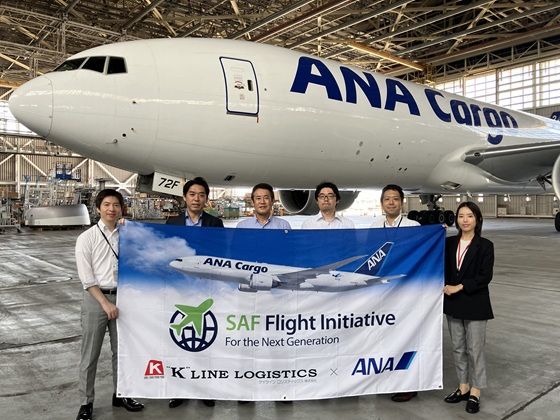
To reduce greenhouse gas (GHG) emissions from international freight transportation, we are promoting the use of SAF (sustainable aviation fuel) and biofuels. We are working to advance international freight transport that uses sustainable fuels, expand the use of SAF and biofuels, and contribute to the realization of a decarbonized global society.
~Selected as a Grantee for the Tokyo Metropolitan Government’s “Project to Promote Corporate the Use Sustainable fuel of Air and Marine Transport to reduce GHG Scope3 emissions”.~
*1 Sustainable Aviation Fuel
2.Promotion of Modal Shift
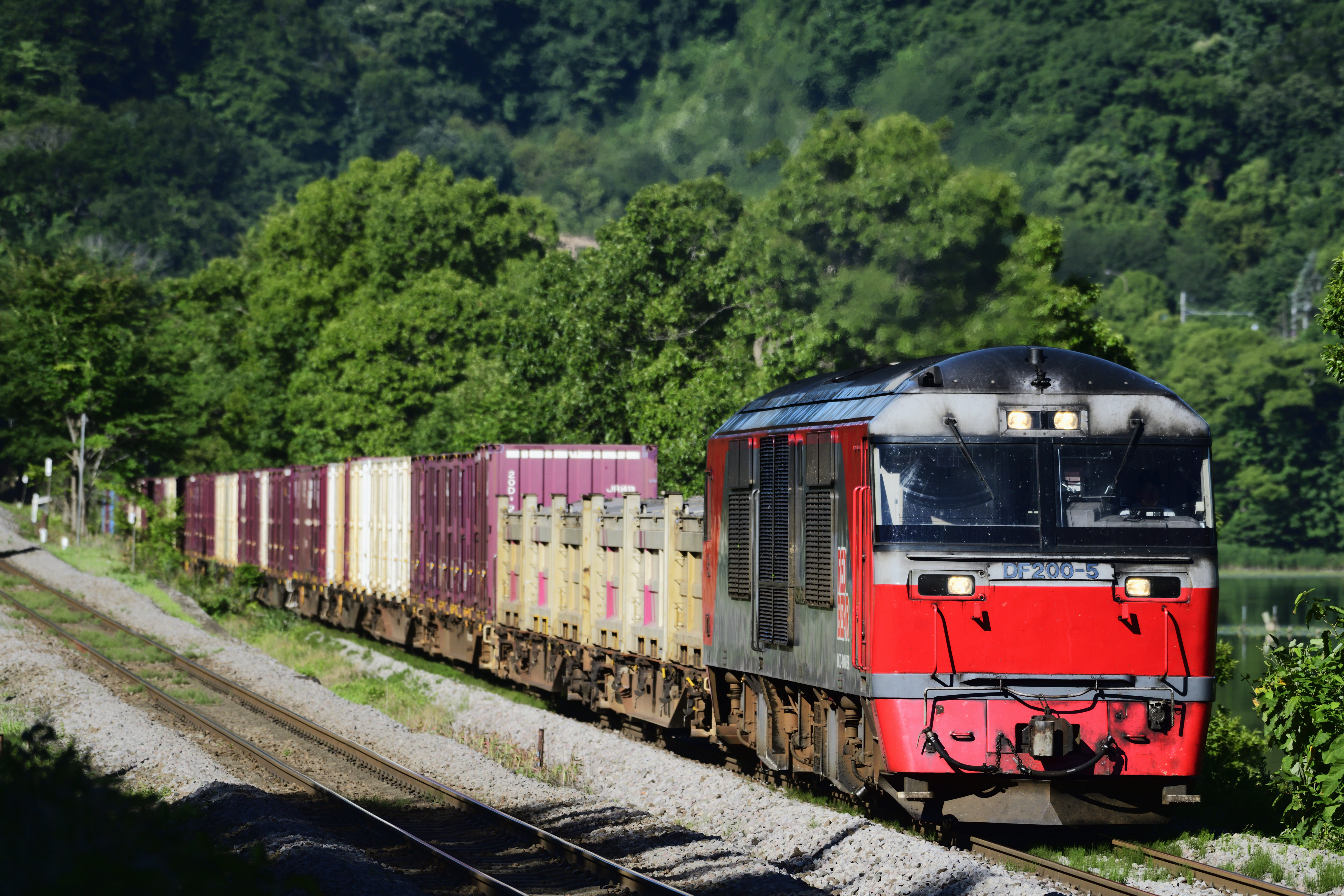
We are strategically promoting modal shifts to lower-emission modes of transport. For domestic transportation, we encourage shifting from truck-based logistics to rail, reducing CO2 emissions while improving overall transport efficiency and lowering environmental impact.
5S Activity

5S is an activity that promotes the foundation of workplace management, taking its name from the five Japanese words that begin with “S”: “SEIRI(sorting)”, “SEITON(set in order)”, “SEISOU(cleaning and check)” , “SEIKETSU( cleanliness)” , “SHITSUKE(sustaining the Discipline)”. By eliminating unreasonable, wasteful, and uneven work (muri, muda, mura), 5S improves operational efficiency and fosters continuous improvement, aiming to balance higher work quality with protection of the global environment. This leads to improved service quality that better satisfies customers and enhances the company’s added value.
Cleanup Activities
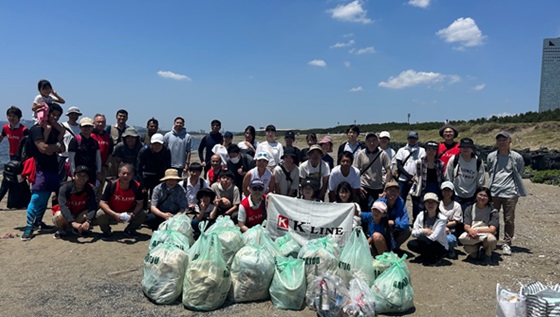
Much of the marine plastic litter originates on land, and an estimated eight million tons flow into the oceans each year—an international concern. We raise awareness of this issue and work with local communities to protect coastal and urban environments. By participating in cleanup activities, each employee reaffirms the importance of beautifying their neighborhoods and reducing marine litter. Through cooperation with local residents and other organizations, we contribute to reducing ocean plastics and creating cleaner, more attractive communities.
1.Beach cleanup at Kaihin-Makuhari
Held in conjunction with World Oceans Day on June 8, this activity is part of a Kawasaki Kisen Group–wide simultaneous cleanup. It supports the group’s action plan toward 2030 under the "’K’LINE Environmental Vision 2050" by promoting environmental awareness, participating in marine plastic collection and surveys, and encouraging environmental volunteer activities.
2.City Cleanup Campaign
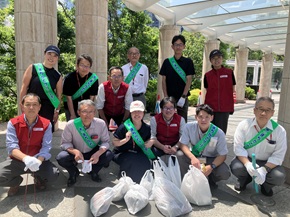
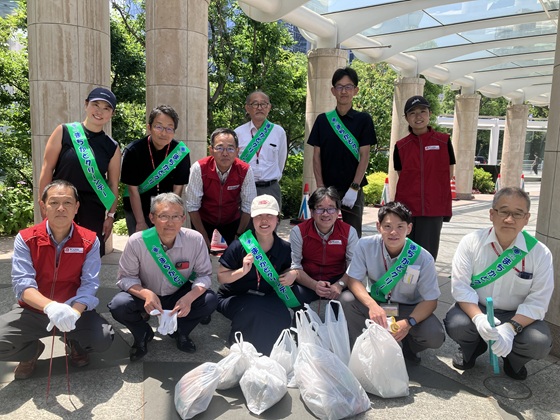
Chuo city in Tokyo promotes “Street Corner Clean-Up Day” to expand voluntary cleaning activities by households and businesses and to create a clean, pleasant city. Our company participates by picking up litter around our Harumi head office.
3.Meriken Park Cleanup Project
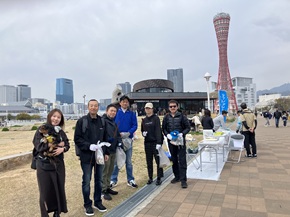
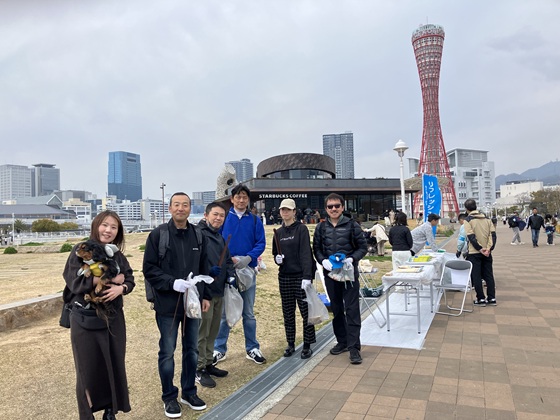
This cleanup event tours the area from Sannomiya/ Motomachi to Meriken Park with the aim of creating a more comfortable, beautiful port city. In addition to cleaning activities, related initiatives tied to our business are carried out, such as the "Fry to Fly Project," which converts waste cooking oil from homes and shops into aviation fuel using advanced technology.
Promotion of the 3Rs
We continuously promote the 3Rs (Reduce, Reuse, Recycle) within the company to make effective use of resources and reduce waste. These efforts not only raise environmental awareness among employees but also contribute to improved resource efficiency and CO2 reduction across the supply chain. Going forward, we will continue to enhance operational precision and adopt new recycling methods to help realize sustainable logistics.
1.Plastic Bottle Cap Collection Activities
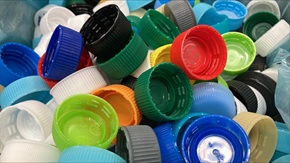
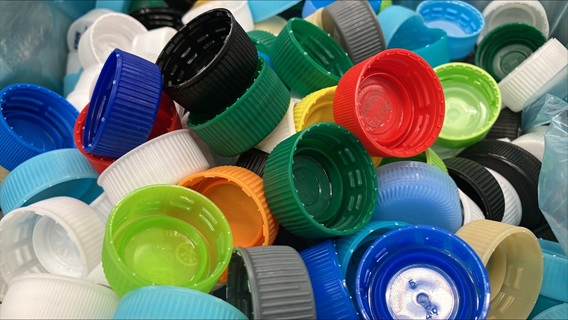
We have been collecting plastic bottle caps since 2019. Plastic bottle caps, which are thrown away as trash every day, are collected in a special in-house box and collected by a recycling company. The collected caps are processed into plastic material called pellets, which are sold to plastic molding and processing companies, and the funds raised from this process are used to purchase vaccines. The caps are not incinerated like general waste, which helps to reduce CO2 emissions and environmental impact.
Amount of plastic bottle caps collected and CO2 (generated when caps are incinerated as garbage) reduction
2019: 64.00 kg collected (27,520 caps) CO2 reduction: 201.6 kg
2020: 70.00 kg collected (35,000 caps) CO2 reduction: 220.5 kg
2024: 88.00 kg collected (44,000 pieces) CO2 reduction: 277.20 kg
2025: 60.00 kg collected (30,000 pieces) CO2 reduction: 189.00 kg
(*The activity was suspended from 2021 to 2023 due to the spread of the COVID-19.)
2.Recycling of empty disposable contact lens cases
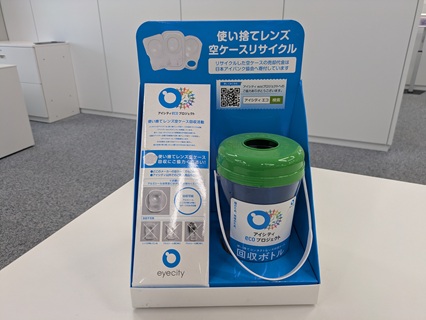
We support the "Eye City Eco Project," which recycles empty disposable contact lens cases, and through our efforts to collect empty contact lens cases within the company, we contribute to reducing CO2 emissions from plastic waste and promote activities to conserve limited resources by remanufacturing them.
3.Reuse of Packaging Materials
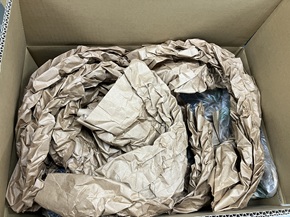
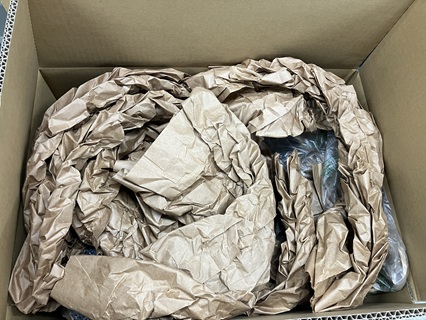
Focusing on cushioning packaging materials that were previously discarded when importing cargo, we have established and operate a reuse scheme to reduce environmental impact, lower customers' disposal costs, cut our own packaging purchases, and improve customer satisfaction. In the first year of operation (fiscal 2023), we collected and reused 808.0 kg (89 m3) of materials, reducing CO2 emissions by a total of 1,996.92 kg compared with fiscal 2022. We will continue these efforts in the coming years.
4.Recycling of Disaster-Response Helmets
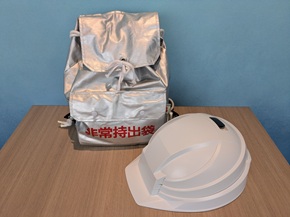
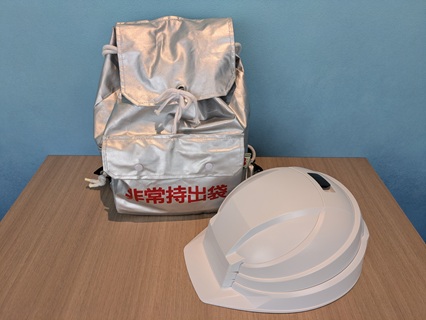
As part of our efforts to reduce industrial waste, we properly processed disaster-response helmets that had exceeded their service life through recycling under the Helmet Industry Association’s "Wide-area Certification System." We handled 711 helmets collected from 18 offices nationwide, which were repurposed as cement raw materials and used for energy recovery through thermal recycling.
The “K” Line Group Environmental Awards
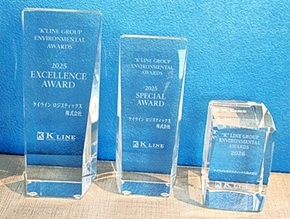
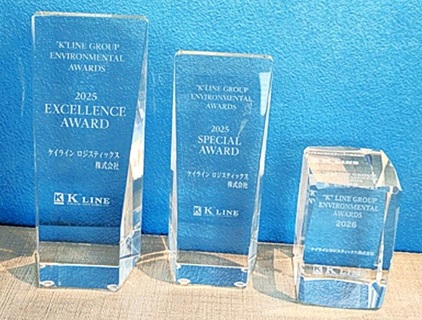
This awards to ensure that all executives, employees, and crew members working for the “K” Line Group are committed to preserving the environment and contribute to sustainable business activities.
These awards are designed to highlight outstanding initiatives along these lines, and to share them throughout the “K” Line Group, to expand the scope of our environmental preservation activities. We have been applied every year since 2016 and received the award of excellence 2016, 2024 and 2025 for our business improvement activities, which also contributed to the environment.
2016: Award of Excellence
Reduction of CO2 emissions through electronic storage of documents
2024: Award of Excellence
Reuse of Imported Cargo Cushion Packaging Materials
2025: Award of Excellence
Reduction of CO2 emissions from air transportation through the use of SAF
Through this award, we will continue to actively engage in environmental activities.